The Power of the Bladder Scanner: Non-Invasive Care at the Bedside
In modern healthcare, innovation often means finding ways to gather crucial diagnostic information without causing discomfort to the patient. Among the most valuable tools for this purpose is the bladder scanner, a compact, portable ultrasound device that has revolutionised how clinicians assess urinary retention and bladder function.
If you’ve ever wondered how healthcare professionals quickly and accurately measure bladder volume without invasive procedures, read on.
What is a Bladder Scanner, and Why is it Essential?
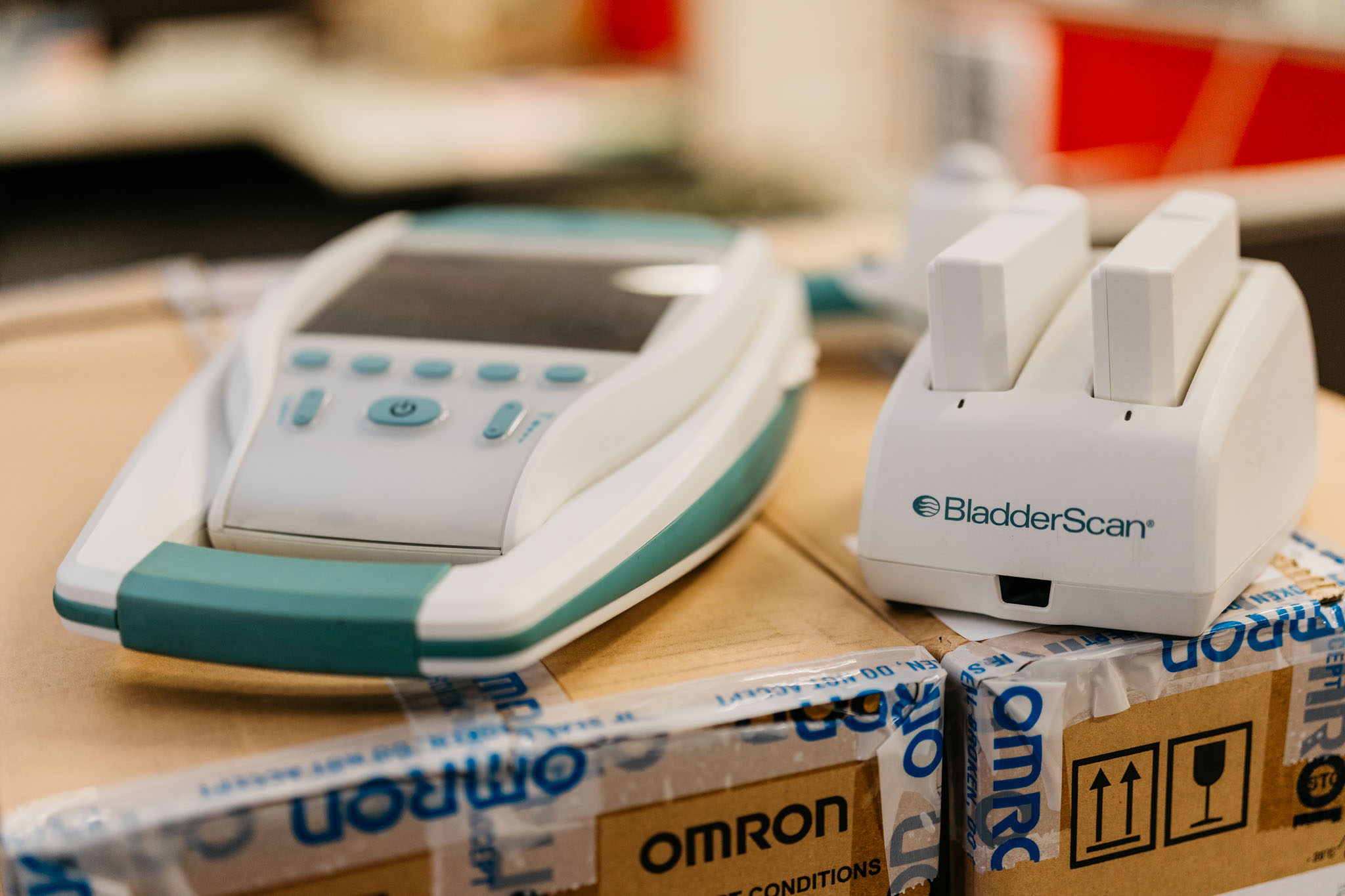
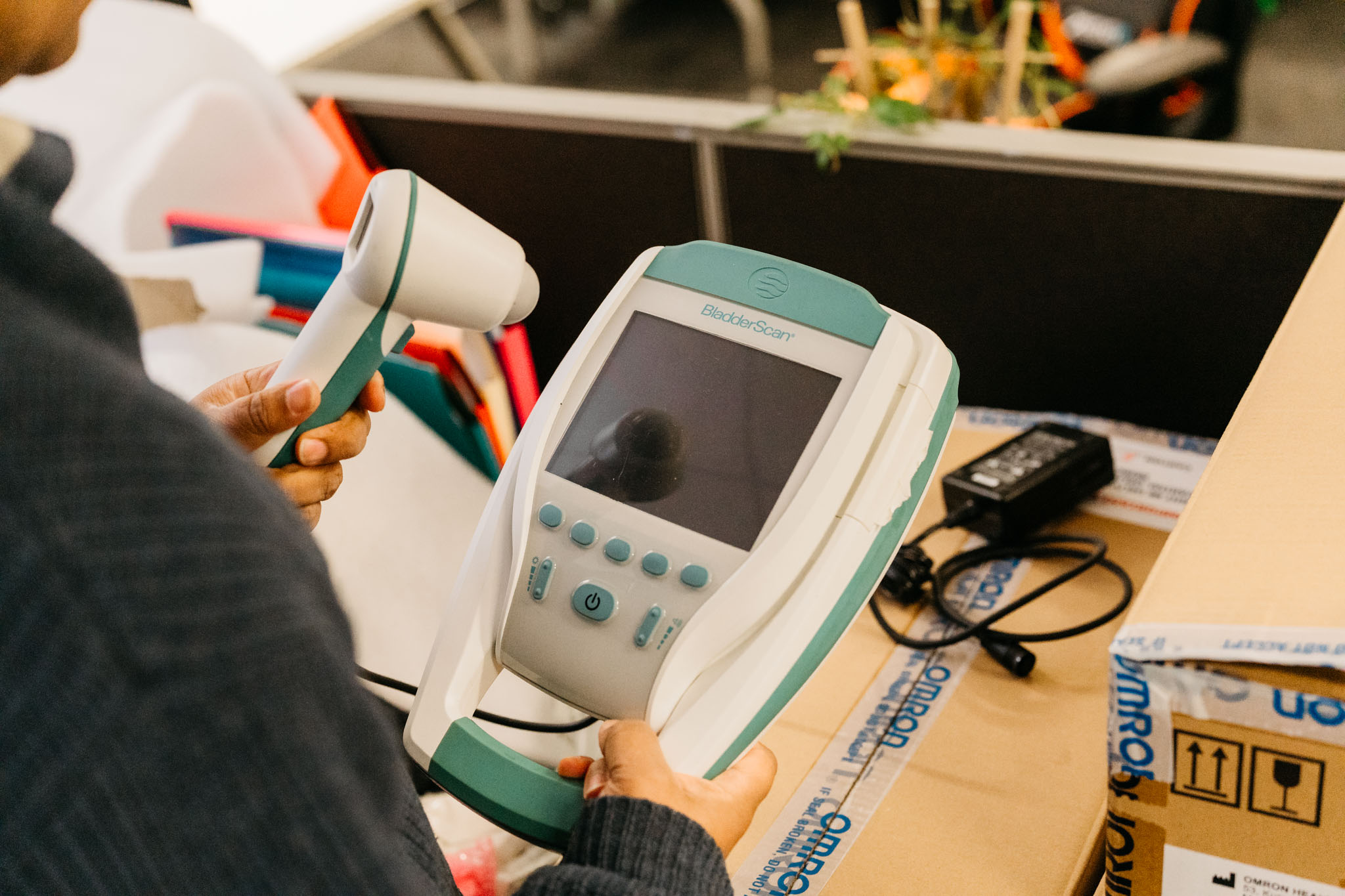
A bladder scanner is a small, handheld, non-invasive ultrasound device used to measure the amount of urine retained in the bladder. Prior to its widespread use, the primary method for confirming urinary retention was catheterisation—an invasive, uncomfortable procedure that carries a risk of infection.
The bladder scanner eliminates this need, making it an indispensable tool for diagnosis, monitoring, and proactive patient care across various settings:
Aged Care: Quickly identifying retention in patients who may have difficulty communicating symptoms.
Post-Operative Care: Monitoring bladder function after surgery.
Neurological Conditions: Assessing bladder changes related to conditions like stroke or spinal cord injury.
Urinary Incontinence: Aiding in the diagnosis of the underlying cause of leakage.
How It Works: The Simple Scan
The video demonstration highlights just how easy and efficient the scanning process is. The device uses ultrasound technology, similar to the technology used to view an unborn baby.
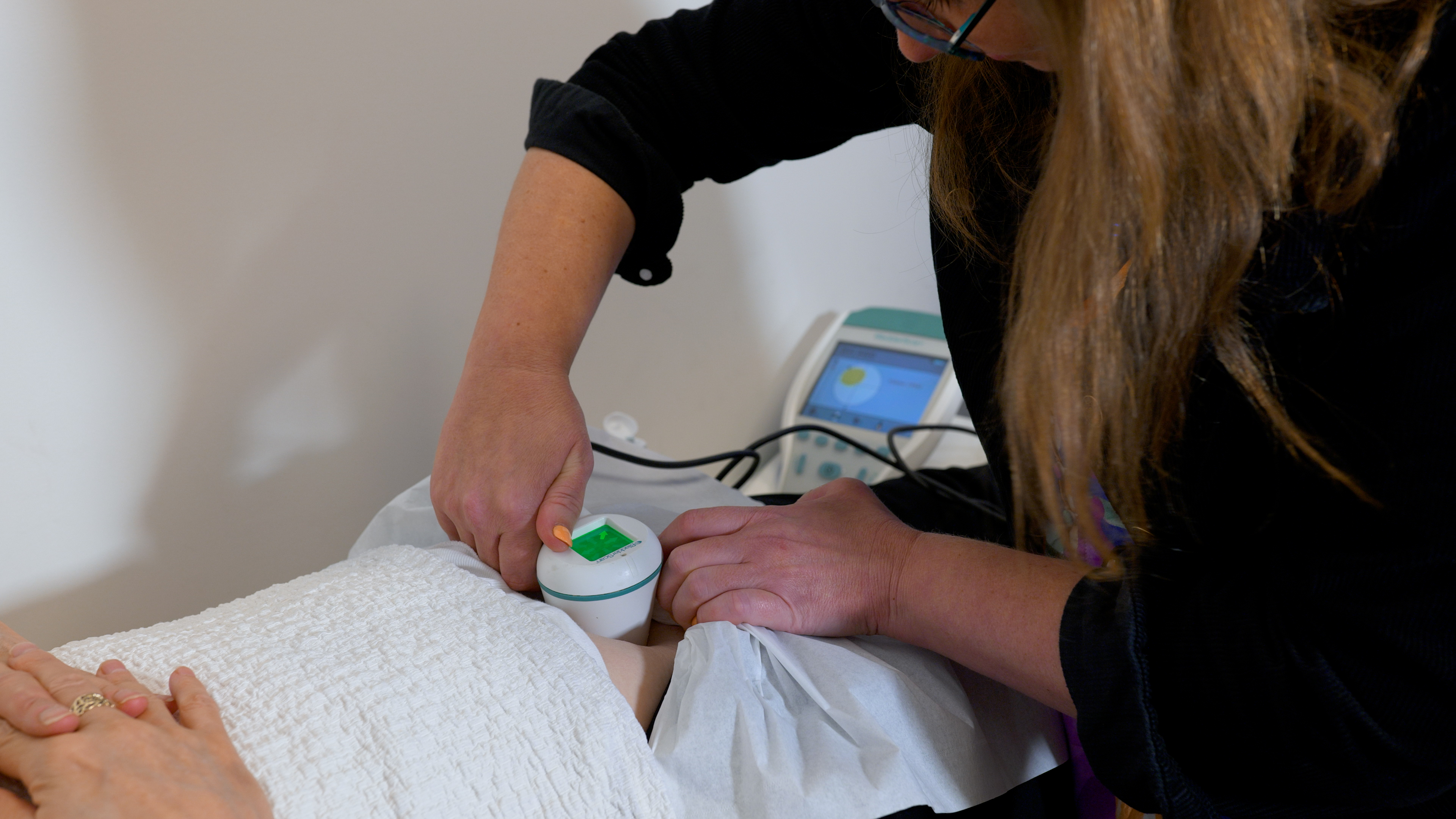
Preparation: A small amount of coupling gel is applied to the patient’s lower abdomen, just above the pubic bone. This gel ensures clear transmission of the ultrasound waves.
Positioning: The clinician places the transducer (the handheld probe) onto the gel.
Scanning: The clinician aims the scanner toward the bladder. The device emits painless, high-frequency sound waves that echo off the bladder walls and the fluid inside.
Instant Results: The scanner processes these echoes and displays the estimated bladder volume (in millilitres) on a screen almost instantly. The clinician can also view a cross-sectional image of the bladder to ensure accurate positioning.
The entire procedure takes less than a minute and requires only minimal cooperation from the patient, ensuring their comfort and dignity are maintained.
The Patient-Centred Advantage
The key benefit of the bladder scanner is its contribution to patient-centred care.
Comfort and Dignity: It prevents unnecessary catheterisation, reducing discomfort and maintaining patient dignity.
Speed and Accuracy: It provides immediate, reliable data at the bedside, enabling timely clinical decisions (e.g., determining if a catheter is necessary or if intervention is required).
Proactive Care: Regular, non-invasive monitoring allows clinicians to proactively manage potential complications before they become serious issues like UTIs or kidney problems.
The bladder scanner truly represents smart, compassionate healthcare—delivering essential diagnostic information quickly and accurately, all while keeping the patient’s well-being front and centre. It’s a small device making a massive difference in quality of care.